



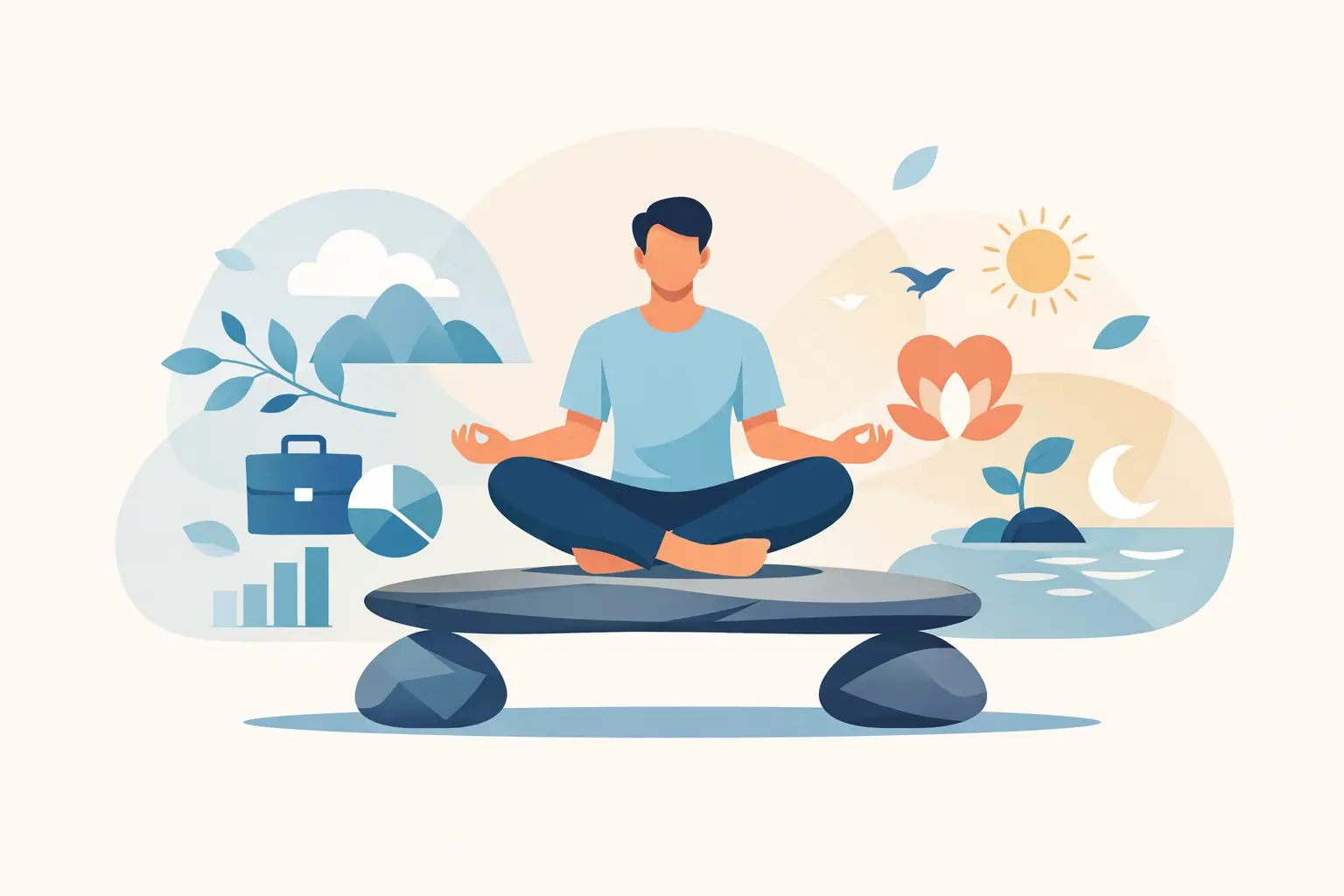
The best ways to restore psychological balance from the root
You might be looking for The best ways to restore psychological balance Because you're tired of pretending to be okay in front of everyone when inside you feel like you're about to break down. You accomplish things, you smile, you reply to messages, and maybe you even take on significant responsibilities. But your body feels tense, your sleep is disrupted, and your mind is restless. This isn't a sign of weakness or a failure to manage your life. It's often an honest signal from within saying: there's something that needs to be seen, not pushed away.
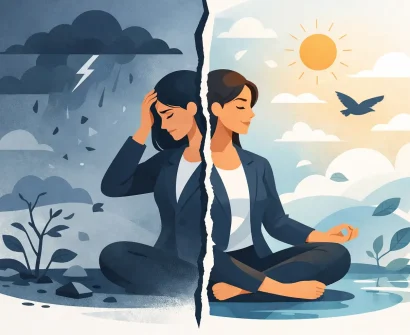
Psychological balance is not a constant state of calm, nor does it mean ceasing to feel sadness, anger, or fear. It is the ability to return to yourself when you are shaken, and to deal with what you feel without being overwhelmed by it or running away from it. This return does not begin with forcing yourself to be positive, but rather with building genuine security in your body and your relationship with yourself.
Why do you lose your balance even though you look fine?
Many high-performing individuals deal with inner anxiety and unease It's as if they're a problem that needs a quick fix. So they keep themselves busy, set new goals, or force their minds to be quiet. These methods might work for a short time, but they don't address the underlying cause that puts your nervous system in a constant state of alert in the first place.
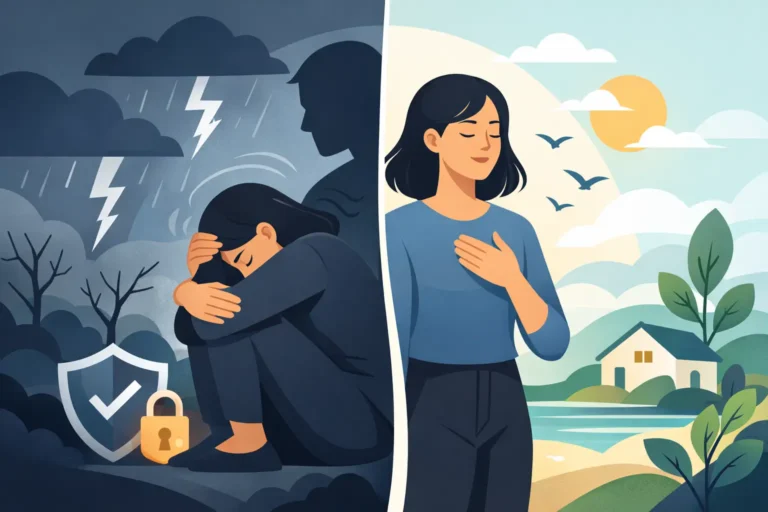
When you've previously experienced harsh criticism, neglect, fear, loss, or a lack of emotional security, your body learns to protect you. This might manifest as pleasing others, withdrawal, sudden anger, freezing, or a constant need for control. These aren't character flaws; they're protective responses that made sense at one time, even if they're now draining you.
Therefore, restoring balance isn't just about changing your thoughts. Thoughts are part of the picture, but the body also carries a memory of stress. When the threat response is active, you may know in your mind that the situation is safe, while in your chest, stomach, and nerves you feel threatened. A stressed nervous system cannot be persuaded by logic alone.
The best way to restore psychological balance begins with security, not pressure.
The first step is not to ask: How do I get rid of this feeling? Rather: What is happening inside me now, and what might this part of me need? This simple shift takes you from fighting yourself to accompanying yourself.
Name what is happening accurately and gently
Instead of saying, “I’m bad” or “My life is a mess,” try being more specific. Say, “I feel a tightness in my chest,” or “There’s a pang of anxiety when I think about this conversation,” or “I feel disconnected from myself.” Labeling doesn’t eliminate the pain, but it gives you some distance from the experience. You don’t become the anxiety itself; you simply become aware that the anxiety is already present within you.
Also, try to distinguish between the feeling and the narrative your mind constructs around it. The feeling might be fear, loneliness, or disappointment. The narrative might be: no one will understand me, I will always fail, or I have to endure it alone. Treating the feeling gently opens up space for choice. Believing the narrative immediately will only return you to your old reaction.
Start with the body when the mind is busy.
In moments of stress, don't subject yourself to a long meditation or deep analysis. Start with something smaller. Place your feet on the floor and notice the pressure beneath them. Slowly look around and name three things you see. Gently slow your exhalation, and place a hand on your chest or stomach if that feels comfortable.
This is not Superficial calming tricks. These are repeated sensory messages that tell the nervous system this moment is different from previous moments of danger. But be careful: if breathing exercises or internal focus increase your anxiety, don't force them. It might be more appropriate to move lightly, look at an open space, or talk to someone you trust. What works for one person may not work for another.
Give emotions a limited and safe space.
Feelings that don't find an outlet often don't disappear, but rather change form. They might manifest as insomnia, irritability, headaches, impulsive eating, or coldness in relationships. Spending ten minutes writing or sitting with the feeling can be more effective than ignoring it all day.
Ask yourself: What truly hurts me here? What am I afraid of losing? What did I need to hear but didn't? Don't look for a perfect answer. It's enough to approach honestly. Sometimes, beneath the anger, you'll find sadness, and beneath the sadness, an old need for understanding, appreciation, or protection.
The important thing is to avoid turning this space into a painful rumination. If you find yourself going around in circles or the emotions become overwhelming, bring yourself back to the present: drink water, move around, connect with someone you trust, or take a break. This internal work isn't a test of endurance.
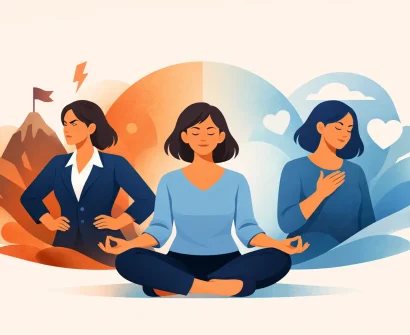
Understand the conflicting parts instead of silencing them.
There may be a part of you that craves comfort, and another that labels it laziness. A part that desires closeness, and another that fears rejection. A part that drives you to achieve, and another that is utterly exhausted. This conflict doesn't mean you're contradictory or broken. It means that you have different parts that have developed different roles to protect you.
From the perspective of working with IFS (Internal Family Systems), we don't need to expel these parts. We need to recognize their intentions, even when their methods are harmful. The part that criticizes you might think its harshness will prevent you from failing. The part that withdraws might be trying to protect you from a past disappointment. When you meet these parts with curiosity rather than hostility, the internal conflict begins to ease.
You can ask: What are you afraid will happen if I stop this behavior? And what do you need from me now to feel safer? These questions do not justify the behavior, but they get to the root of it.
Reduce sources of drain that disguise themselves as duties
You won't regain your balance if you expect to recover within a lifestyle that consumes you daily. Identify what's constantly raising your stress levels: endless communication, draining relationships, constant news consumption, work that stretches into the late hours, or daily comparisons disguised as ambition.
This doesn't mean cutting everything off or shirking your responsibilities. Sometimes you don't have the luxury of changing circumstances quickly. But you can set small, manageable boundaries: a specific time to respond to messages, a screen-free break, declining one unnecessary commitment, or asking for practical support from someone close to you. Balance is restored when your life stops constantly sending the message that your needs don't matter.
Don't neglect sleep, movement, and daily rhythm.
Emotional healing is profound, but it's not separate from the basics. Lack of sleep makes the brain more sensitive to threats, and exhaustion narrows your window of resilience. You don't need a perfect routine, but a more compassionate rhythm: a more consistent bedtime, morning light, regular meals, and movement that suits your body.
Mindful physical practices, such as Tension and Trauma Release (TRE®) exercises when learned properly, can help some people recognize and gradually release stored tension. However, they are not suitable for indiscriminate application, especially if you have severe trauma, symptoms of dissociation, or recurrent panic attacks. In these cases, a slower pace and professional supervision are safer.
When do you need deeper support?
There's a difference between a difficult day and a pattern that repeats itself despite your efforts. If anxiety is controlling your sleep and work, if your relationship with yourself is filled with self-loathing, or if you keep repeating the same painful relationships, the problem might not be a lack of willpower. You might need an organized space that helps you see what you can't see on your own.
Trauma-conscious support You're not asked to relive everything that happened or reveal everything at once. A good approach respects your pace, pays attention to your body's signals, and builds up safety resources before tackling deeper wounds. Techniques like Compassionate Inquiry, NARM®, and working with internal components can help you understand survival patterns without reducing you to a diagnosis or an old story.
If you have thoughts of harming yourself, or feel unable to keep yourself safe, immediately contact emergency services in your country, a qualified professional, or someone nearby who can stay with you. Seeking help at this moment is an act of protection and courage.
Emotional balance doesn't come from becoming better at keeping things to yourself, but from no longer having to carry everything alone. Start today with a moment of honesty with yourself: you're not required to fix your entire life right now, but you can give your heart and body a small sign that someone is listening – and that listening can begin with you.


Is anxiety a sign of old trauma? What is the body saying? – montasirmusa.com
Deeper recovery doesn't begin with fighting anxiety or seeing it as a problem that needs fixing. It begins with building a sense of security that allows you to observe what's happening without being overwhelmed by it. Sometimes we need to slow down, pay attention to our physical sensations, understand our triggers, and learn to stay with our feelings in manageable doses.
متى أحتاج جلسات تكامل عاطفي؟ ٧ علامات واضحة – montasirmusa.com
[…] إذا كنت تنجز كثيراً لكنك لا تشعر بالأمان، فالمشكلة ليست بالضرورة في إدارة الوقت أو قوة الإرادة. قد تحتاج إلى فهم ما الذي يجعل جسدك مستنفراً، وتعلّم طرق أكثر أماناً للعودة إلى الاتزان. […]