


Is anxiety linked to past traumas? Understanding the roots
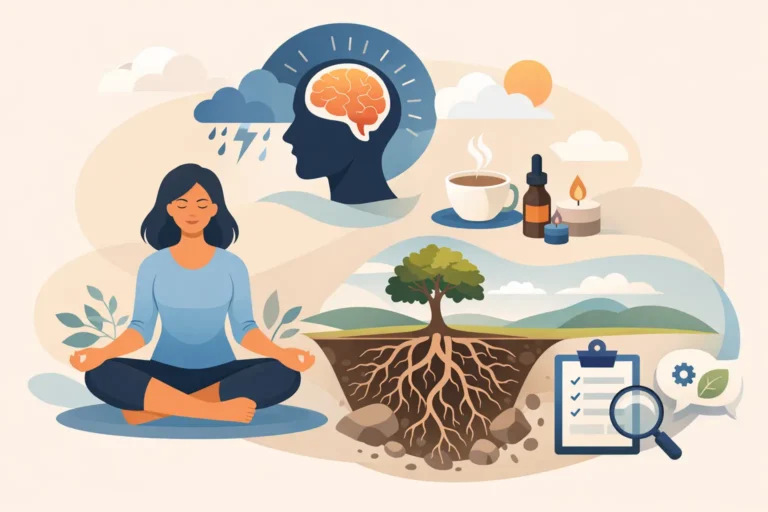
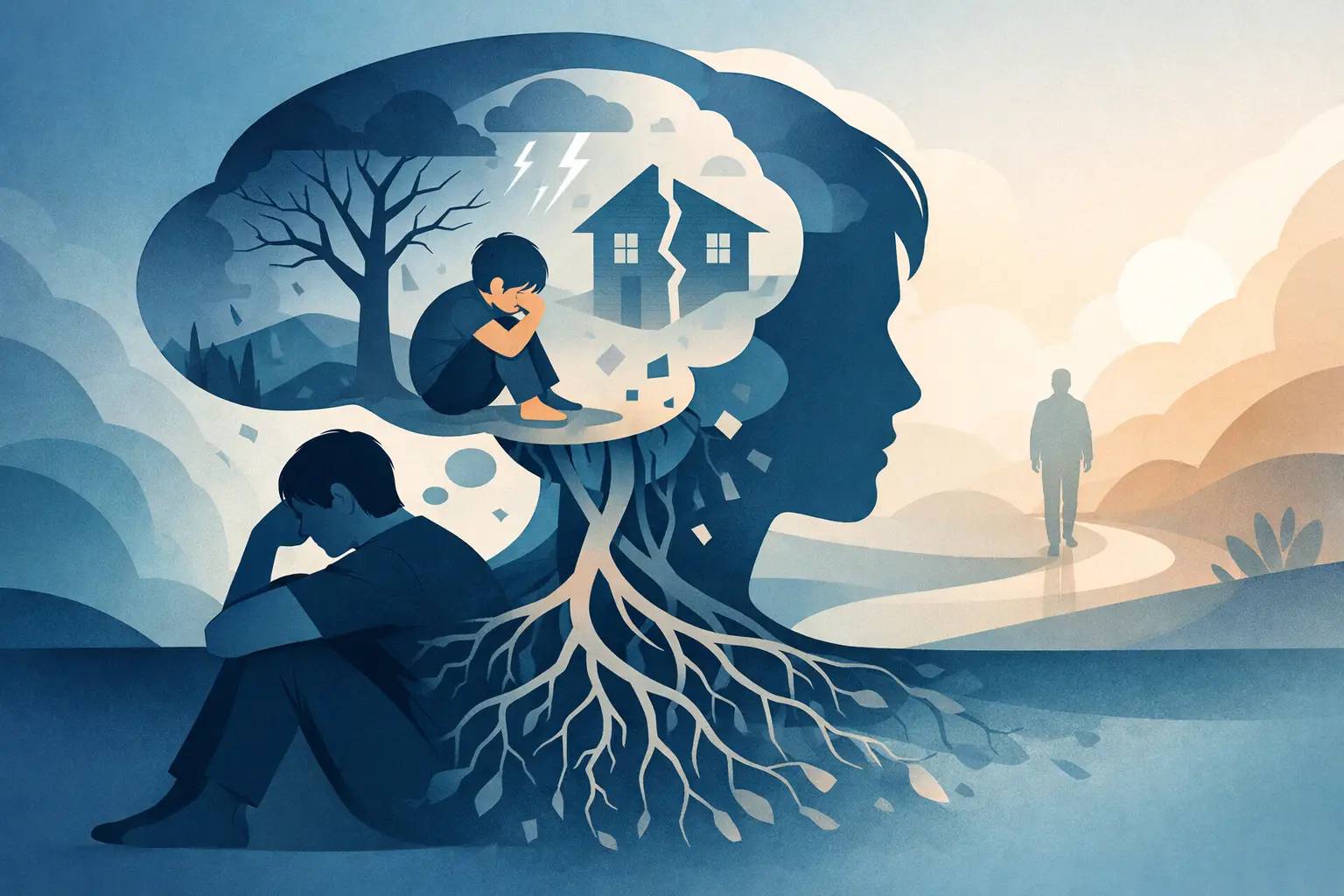
You might wake up with your heart racing ahead of you. There's no apparent danger, no major decision awaiting you, yet you feel a tightness in your chest, a constant stream of thoughts, and an urgent need to be prepared for anything. Herein lies a profound question: Is anxiety linked to past traumas?In many cases, yes. Not because all anxiety necessarily means there is trauma, but because the nervous system may continue to deal with the present through the lens of past experiences that have not found a safe space to be understood and digested.
Anxiety isn't always an enemy to be defeated. Sometimes it's a subtle message from within saying, "Something still needs attention." This might be a specific event you remember, or a long series of smaller moments that taught you the world is unsafe, that your needs are a burden, and that making a mistake could cost you love or acceptance.
Is anxiety really linked to past traumas?
Trauma isn't limited to major accidents, disasters, or assaults. An experience can be traumatic because you felt afraid, helpless, or alone, and didn't have enough support to help you return to safety. A child growing up amidst constant criticism, learning that their feelings are "exaggerated," or experiencing emotional turmoil at home may not have the words to describe what's happening. But they are learning, internally, to monitor moods, anticipate rejection, suppress their needs, and remain on edge.
This isn't an exaggeration or a sign of weakness. It's a smart, timely survival response. The problem arises when this response persists after the circumstances that triggered it have passed. The body goes into a state of alert, even to a routine work message, a delayed response from a loved one, a simple argument, or a moment of quiet you don't know how to trust.
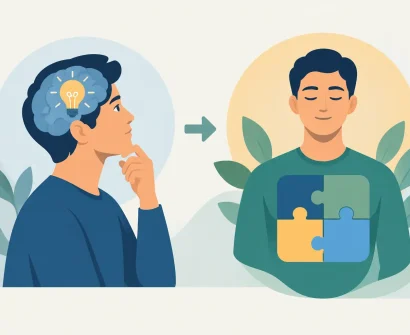
Therefore, anxiety may seem illogical to the conscious mind, but it has its own logic within the nervous system. Part of you is not only reacting to what is happening now, but also to what you have learned in the past to expect.
How do traumas preserve themselves in the body?
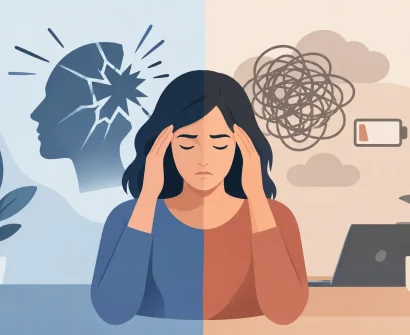
The mind may forget details or minimize their impact, but the body doesn't forget so easily. Unprocessed memories may manifest as persistent tightness in the shoulders, insomnia, stomach upset, rapid heartbeat, difficulty breathing deeply, or a vague feeling that rest is not safe.
This doesn't mean that every physical symptom is psychological, nor that all anxiety stems from the past. There are health factors, hormonal imbalances, current stressors, sleep patterns, stimulants, and life circumstances that deserve serious consideration. However, when anxiety is frequent, disproportionate to the situation, or difficult to alleviate despite a logical understanding of reality, it might be helpful to ask: What is my body trying to protect me from?
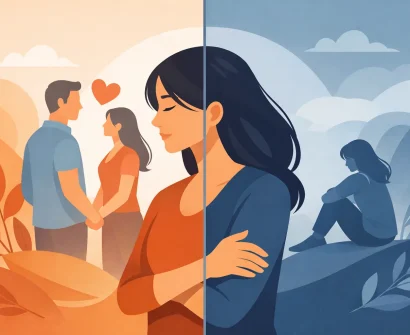
Sometimes the answer doesn't come as a straightforward story. It might manifest as a slight reluctance to ask for help, an intense fear of failure, a constant need to please others, or an impulse to withdraw at the first sign of disagreement. These patterns aren't moral failings. They're often old strategies that kept you connected or secure at some point in your life.
Not every shock is a single event.
There are clear, specific traumas, and then there are what are known as cumulative experiences. You might not be able to point to a single day and say, "This is where it all began." Perhaps the impact was the result of years of stress, neglected feelings, a lack of emotional support, responsibilities beyond your years, or a relationship where you had to sacrifice yourself to survive.
This is especially important for those who appear successful on the outside. You may be disciplined, productive, responsible, and capable of handling a lot. But inside, you can't stop. Comfort breeds guilt. Success doesn't calm you. Accomplishment relieves stress for a few hours, then anxiety returns in a new form. In this case, what might not be needed is more discipline or motivation. What might be needed is to understand why constant pushing has become the only way for a part of you to feel secure.
How do you distinguish between current anxiety and an old wound?
There is no single definitive sign, but there are indicators worth considering. If your responses to situations are repetitive and stereotypical, you feel younger than your age at certain moments, or you find it difficult to calm yourself down despite the absence of immediate danger, the past may be present in the experience.
Ask yourself gently: Is my reaction appropriate to the current situation? What am I really afraid of? What is the worst thing my inner self anticipates? When have I felt this way before?
Don't use these questions to interrogate yourself or prove you're "hurt." Use them to build a more honest relationship with what's happening within you. Sometimes you'll discover that anxiety is linked to a real-life situation that requires a decision, boundaries, or change. And sometimes you'll sense that its intensity stems from an older wound—a wound that was never allowed to be seen.
Why isn't it enough to tell yourself: Calm down?
Because anxiety related to trauma doesn't just exist in your thoughts. You may know the situation is safe, but your body still doesn't believe it. That's why quick fixes can provide temporary relief, but they don't always address the root cause.
Deeper processing doesn't mean reliving the pain or forcing yourself to remember everything. On the contrary, consciously processing trauma begins with safety and at an appropriate pace. It begins by expanding your ability to observe what's happening without becoming overwhelmed, building internal resources, and understanding the parts of yourself that carry fear, criticism, or a need for control.
In approaches like empathy-based inquiry, Inner Family Systems (IFS), and neuroregulatory work such as TRE®, the goal isn't to "fix" you because you're not broken. The goal is to listen to the responses that have worked so hard to protect you, and then help them recognize that the present is different, and that you are no longer alone in the face of what once was.
What can you start with now?
Start with a small step that doesn't demand more from your nervous system than it can handle. When anxiety rises, name what's happening instead of fighting it: "I'm feeling alarmed right now." Then, shift your attention to something tangible around you: your feet on the floor, the support of your chair for your back, a nearby sound, or your exhalation slower than your inhalation.
After the wave has subsided a bit, write down the situation that triggered it, what you said to yourself at that moment, and what your fearful part needed. It might be reassurance, a clear boundary, comfort, or honest communication with a trusted person. Don't look for a perfect answer. Seek a less harsh relationship with yourself.
It is also wise to seek professional support when anxiety becomes debilitating, or is accompanied by recurring panic attacks, severe insomnia, withdrawal from relationships, painful memories, or thoughts of self-harm. Trauma-aware support doesn't reduce you to a diagnosis or pressure you to reveal your secrets before you're ready. It provides a structured space that helps you approach the root of your problems with safety and respect.
Healing doesn't mean the past didn't happen.
Healing doesn't erase what you've been through, nor does it transform you into someone who never worries again. But it does shift the place of the past in your life. Instead of driving your decisions from behind, it becomes an experience you can understand and contextualize.
You may still experience moments of stress, but you're starting to recognize them early on. Instead of running away, exploding, or trying to please everyone, you can stop, breathe, and ask yourself: What do I need right now? This small gap between stimulus and reaction isn't insignificant. It's the beginning of regaining inner control.
Anxiety can be a gateway, not a final judgment upon you. And when you deal with it with curiosity, compassion, and appropriate support, it can lead you not only to greater peace, but to a life where you don't have to give up on yourself to feel safe.