



Does repression cause physical symptoms? And what does the body need?
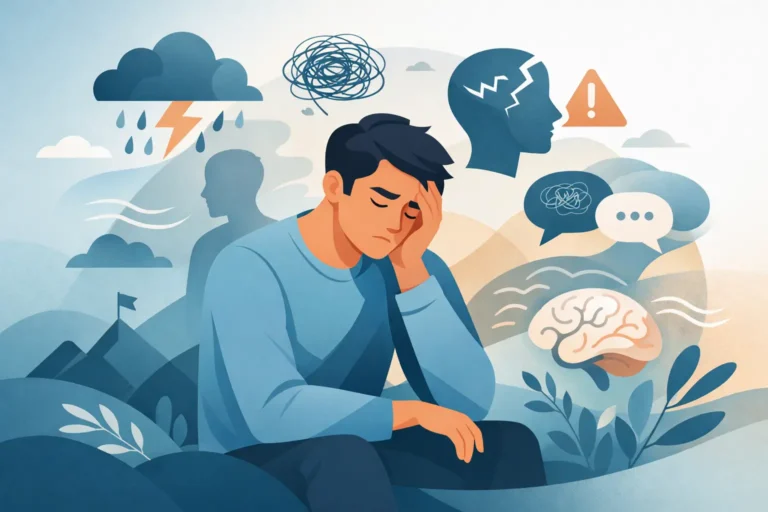
You might wake up with a heavy feeling in your chest, a persistent headache, or constant tension in your shoulders, and then tell yourself: there's no obvious reason. But the question is: Does repression cause physical symptoms? This is not a trivial question. Sometimes the body is the place where a story emerges that has not found a safe space to be told.
Repression doesn't mean a person is weak or incapable of coping with life. Many people excel at work, caring for their families, making decisions, and smiling at social events, while their nervous system carries a silent burden. The problem isn't that you have feelings, but that a part of you learned at some point that feeling or expressing them isn't safe.
Does repression actually cause physical symptoms?
Yes, emotional repression can be linked to real and bothersome physical symptoms. This doesn't mean the symptoms are imagined, nor that all physical pain is psychological. The pain is real, the fatigue is real, and the sleep disturbances are real. But unresolved emotional experiences and chronic stress can affect the nervous system, muscles, respiration, digestion, and immunity.
When a person lives for a long time in a state of internal alertness, the body may remain as if He anticipates danger Even in the absence of immediate danger, muscle tension increases, breathing becomes shallower, appetite changes, and the body finds it difficult to transition to a state of rest and recovery. This is not a flaw in you, but rather a smart protective response that has evolved to help you survive.
Repression might stem from anger you weren't allowed to express, grief you buried because others expected you to be strong, a long-standing fear of rejection, or the pain of a relationship whose depth you haven't yet acknowledged. Over time, these experiences don't disappear simply because we don't talk about them. Their language may simply change, manifesting as tension, insomnia, or exhaustion.
How does the body translate feelings that have no outlet?
The body doesn't separate what we experience from what we feel. When you push yourself to get over a painful experience quickly, your nervous system may interpret it as needing to protect itself instead of relaxing. This is why you might notice your heart racing during a simple conversation, your stomach clenching before a regular date, or a desire to withdraw when someone approaches you emotionally.
The most common symptoms are not conclusive evidence on their own, but they may warrant attention when they recur or coincide with ongoing psychological and emotional stress. These symptoms include: frequent headaches, neck, back, and jaw pain, stomach and bowel problems, shortness of breath or rapid breathing, heart palpitations, fatigue, difficulty sleeping, sweating, or feelings of numbness and detachment from the body.
This might manifest in seemingly emotionless behaviors, such as overworking, endlessly browsing, emotional eating, or constantly being busy serving others. These aren't necessarily bad habits or a lack of willpower. Sometimes they're attempts to avoid a moment of silence that might open the door to painful feelings.
The difference between repression and emotional regulation
You don't have to say everything to everyone, or live inside your feelings all the time. Emotional regulation means noticing what you're feeling, naming it, giving it appropriate space, and then consciously choosing how to respond to it. Repression, on the other hand, is pushing away a feeling because its presence seems dangerous or unacceptable.
You might say, "I'm fine," while your jaw is clenched and your chest is tight. You might forgive quickly because anger makes you feel guilty. You might interpret your tears as exaggeration because you were raised to believe that sadness is a weakness. Here, the problem isn't the feelings themselves, but the relationship you've developed with them.
This relationship is often not a conscious choice. Someone who grew up in an environment where expression was met with ridicule, punishment, or neglect may automatically learn to freeze up, appease others, or withdraw. Later in life, this same response may persist even if circumstances change and the person becomes more secure.
When do you need a medical examination?
The connection between the body and emotions should not lead to ignoring the medical aspect. New, severe, or worsening symptoms require evaluation by a healthcare professional, especially chest pain, difficulty breathing, fainting, unexplained weight loss, sharp pain, or any symptom that worries you.
A medical examination is not contrary to psychological work; rather, it is part of respecting the body. Sometimes there is a clear organic cause that requires treatment. And sometimes the medical results are reassuring, yet the tension and pain persist. In this case, it may be helpful to look gently at what your nervous system is experiencing, instead of accusing yourself of exaggeration or despairing of finding an explanation.
The beginning is not in forcing yourself to speak out
If you're used to repressing emotions, talking about them might seem overwhelming or even frightening. You don't need to reveal everything all at once. Recovery doesn't begin with rushing into your most painful memories, but with building a sense of security within your body and in a supportive relationship.
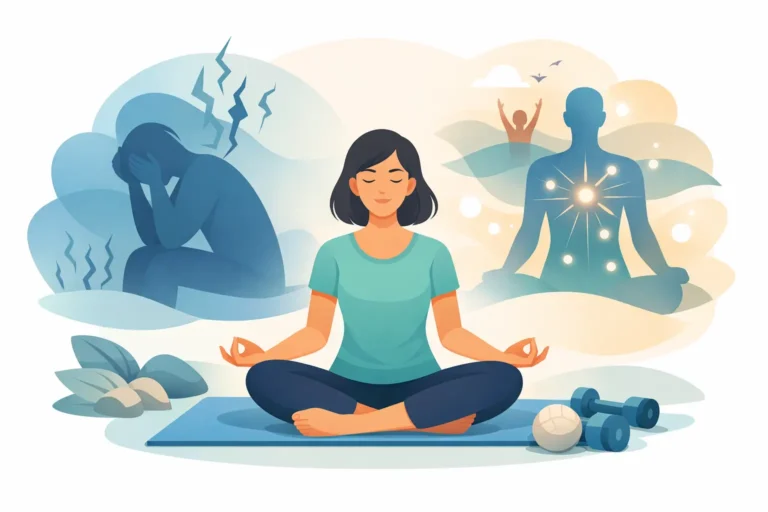
Begin with a simple observation: When the symptom arises, calmly ask yourself: What is happening inside me right now? Not to find a perfect answer, but to reconnect. Notice the location of the sensation in your body. Is it tightness, heat, heaviness, trembling, emptiness? Then ask: What did I need in this moment that I couldn't ask for? Perhaps you need boundaries, comfort, support, space to grieve, or permission to say no.
Writing for a few minutes without supervision, taking a quiet walk, practicing slow, deliberate breathing, or talking to a trusted adult may help. However, these practices are not a substitute for professional support if your symptoms persist. Related to traumaOr severe anxiety, or detachment from the body, or recurrent painful relationships.
Why does healing require a trauma-aware approach?
Some people believe the solution is to relive the pain or unleash all the anger. However, rushing into repressed emotions can overwhelm the nervous system, especially if the repression is linked to painful or prolonged experiences. Therefore, deep work requires a pace that respects your energy and limitations.
The trauma-conscious approach doesn't just ask, "What happened to you?" but also, "How did your body learn to protect you?" Through techniques like compassionate inquiry, stress and trauma release exercises, and working with your inner self, old responses can be understood without judgment. The goal isn't to fix you—you're not broken—but to help you regain the ability to feel, choose, and connect with yourself safely.
You might discover that headaches worsen when you suppress your feelings, that insomnia increases after a day spent pleasing everyone, or that your stomach calms down when you allow yourself to grieve instead of fighting it. These observations aren't self-diagnosis, but rather valuable cues. Your body isn't punishing you; it's trying to draw your attention to something that needs attention.
Don't let your body scream alone
Achievement does not eliminate inner pain. And it may seem Everything looks good from the outside.While you live internally in a constant state of alert, you don't need to wait for a breakdown to take your feelings seriously.
Give yourself an honest moment today: instead of asking why I can't take it anymore, ask what I've been carrying alone for so long? When this question is met with appropriate compassion and support, the body often begins to learn a new message: I no longer have to be protected all the time.