


Does trauma cause persistent insomnia? And how does one begin to find relief?
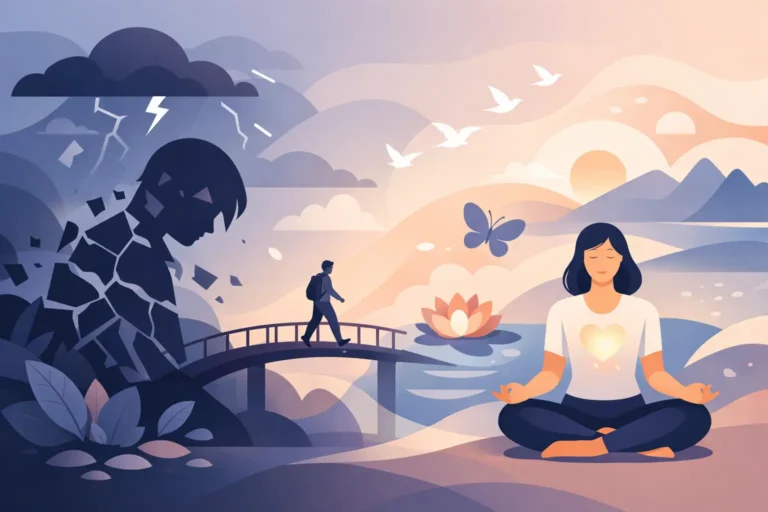
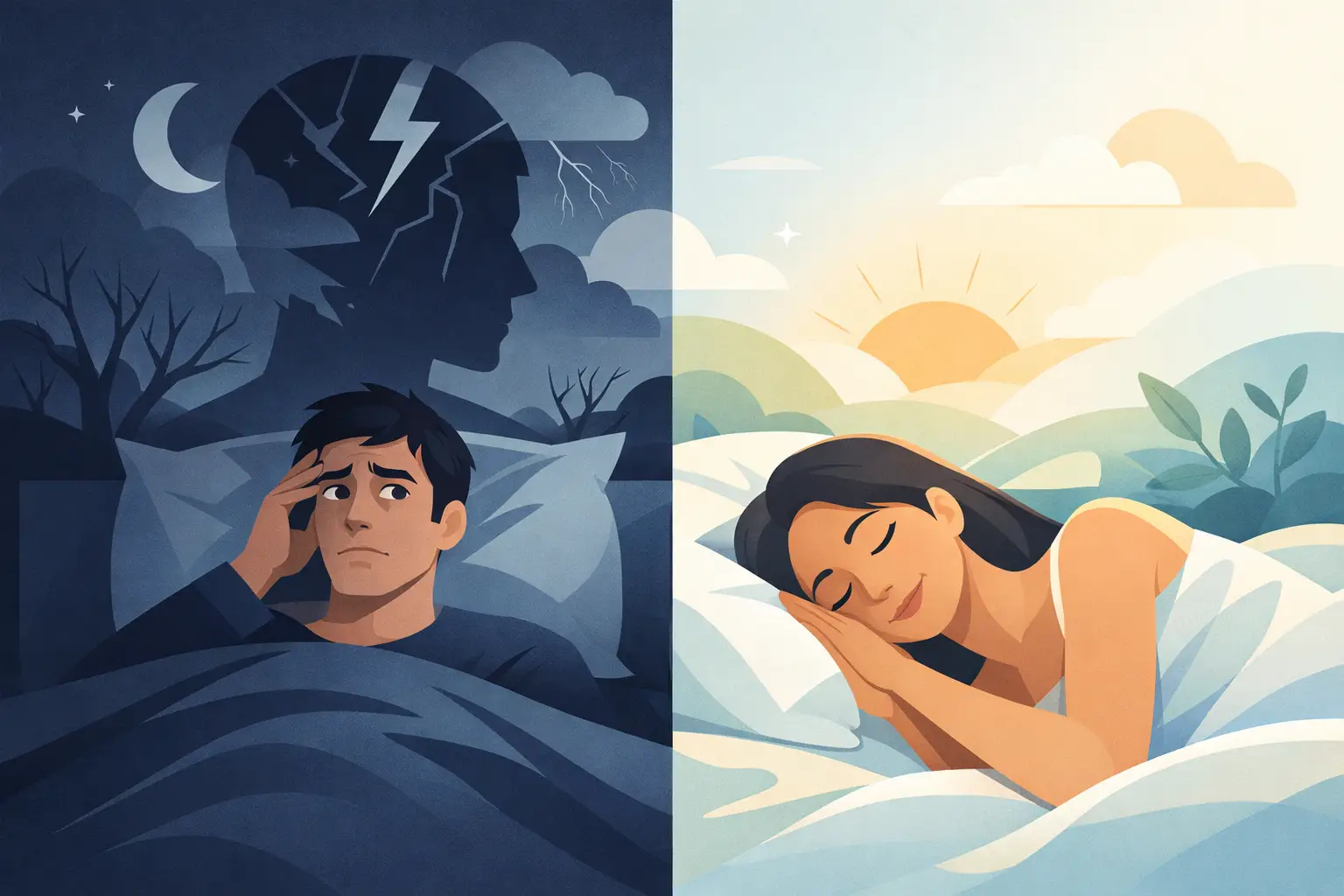
You may sleep for hours, but your body doesn't truly rest. You wake at the slightest sound, or open your eyes before dawn with your heart heavy with something you can't name. Herein lies the question: Does trauma cause persistent insomnia? Yes, trauma or untreated emotional stress can be a major factor in persistent insomnia, not because you are weak or don't know how to relax, but because your nervous system may still be acting as if the danger is not over.
Insomnia after a traumatic experience isn't just a problem with regulating sleep time. Sometimes it's a silent message from within: a part of you is trying to stay awake so you won't be surprised, so you won't be hurt again, or so you won't have to face what emerges when calm prevails.
Does trauma actually cause persistent insomnia?
Trauma isn't limited to major accidents or obvious disasters. It can stem from a painful loss, a fearful relationship, repeated criticism in childhood, emotional neglect, or prolonged stress experienced alone without a safe space to express yourself. What determines the impact of an experience isn't its magnitude in the eyes of others, but how your body and mind reacted to it at the time.
When a person experiences something beyond their capacity to cope or comprehend, their nervous system may remain in a state of heightened alertness. This state is beneficial in times of genuine danger, as it prepares you to fight, flee, or freeze. However, the problem arises when it persists after the event has passed. At night, when tasks and distractions are reduced, this heightened alertness may manifest as racing thoughts, chest tightness, sudden physical jerks, disturbing dreams, or an inexplicable inability to fall asleep.
Therefore, persistent insomnia might be a protective mechanism rather than a character flaw. Your body isn't defying you; it's operating on an age-old principle: stay awake, because it might not be safe to fall asleep.
Why does insomnia worsen at nightfall?
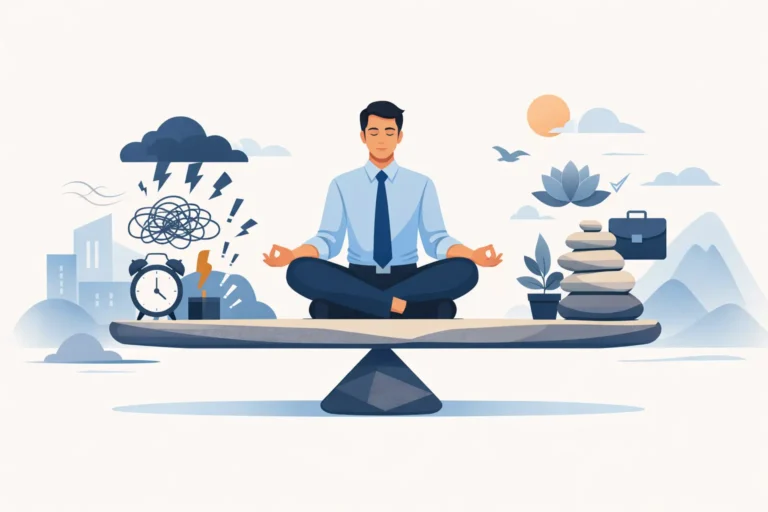
During the day, a high performer can appear composed. They accomplish things, work, care for their family, and smile in meetings. But at night, much of the external noise fades away. What remains for the mind and body is what has been postponed: unresolved grief, unchecked anger, old fears, or a profound sense of loneliness.
Some people may feel fine all day, then collapse the moment their head hits the pillow. It's not that the night itself is the problem, but rather that the silence gives internal signals more space. And this can start a vicious cycle: the fear of not being able to sleep increases anxiety, and the bed becomes associated with surveillance and worry instead of safety.
It's also important to distinguish between trauma-related insomnia and insomnia influenced by other factors, such as caffeine, certain medications, thyroid disorders, chronic pain, sleep apnea, depression, or anxiety. Sometimes the causes overlap, so oversimplification or self-blame is unhelpful.
Signs that your nervous system is in a state of alert
Insomnia may be more closely linked to a traumatic experience than you realize if your sleep is accompanied by recurring nightmares, sudden awakenings with palpitations, extreme sensitivity to sounds, or inexplicable fear before bedtime. It may also manifest as a need to repeatedly check doors and letters, difficulty falling asleep when alone, or a feeling that your body is tired but your mind won't shut off.
There's a deeper sign: that sleep itself requires a degree of security you don't find within yourself. Sleep involves temporarily relinquishing control. And for those who have experienced a loss of control or security, this relinquishment can feel painful, even if they aren't fully consciously aware of it.
What often doesn't help?
You might hear advice like: Don't overthink it, leave the past behind, or force yourself to go to bed early. These statements can increase your feelings of failure because they ignore the fact that responding isn't just a mental decision. You can't convince a frightened body to be safe with rigid logic.
Similarly, constantly scrolling through your phone until you're exhausted, working late hours, or using stimulants during the day and sedatives at night without medical supervision may temporarily alleviate the symptoms but doesn't address the root cause. The point isn't to eliminate all helpful aids, but to honestly ask yourself: Is what I'm doing calming my nervous system, or is it merely postponing what needs addressing?
How do you begin to restore sleep from a deeper perspective?
Recovery isn't about forcing yourself to sleep for one night. It begins when you stop treating your body as an adversary and start building a new relationship with it—a relationship that says, "I understand why you stayed awake. Thank you for trying to protect me. Now, together, we'll find a kinder way.".
Before going to sleep, don't make your immediate goal falling asleep. Make your goal reducing the sense of danger. You can start with dim lighting, put your phone away for a short while, and notice what touches your body without trying to change anything: your feet on the floor, your back in the chair, the feel of the blanket, or the way your breathing is.
If you feel anxiety rising, don't fight the thoughts. Simply name what's happening: I'm noticing my body is on alert now. I'm in my room, and this time is different from when I was hurt. These aren't magic phrases, but they help the mind and body gradually distinguish between the memory and the present danger.
It can also be helpful to write down everything that's on your mind for a few minutes before bed, not to interpret or resolve it, but to break free from the cycle of silent repetition. If the memories or feelings are intense, don't force yourself to delve into them alone late at night. Organization is more important than exhaustion.
Practical habits that support a sense of security
Try to maintain a consistent wake-up time, get some daylight in the morning, and reduce your intake of stimulants in the afternoon. Gentle physical activity throughout the day, such as walking or relaxing stretching, can also help give your body a chance to release some of the accumulated tension.
But don't turn these habits into a new list of things to put pressure on yourself. If you miss a night, it doesn't mean your recovery has failed. Sleep is affected by changes and stressors, and regaining confidence in your body is a gradual process, not a test of discipline.
When do you need expert support?
If insomnia persists for weeks, affects your work, relationships, and health, or is accompanied by severe nightmares, panic attacks, intrusive memories, or an increasing reliance on substances or medications to sleep, it is wise to seek evaluation from a qualified health or mental health professional. It is essential to seek immediate help if you experience thoughts of harming yourself or feel unable to stay safe.
Trauma-conscious support doesn't just focus on the question, "How do we get you to sleep?" but also asks, "What makes your body think it should stay awake?" Within a safe space, the root causes of alertness can be addressed through pacing and boundary-sensitive techniques, such as compassionate inquiry, andExercises to release stress and trauma TRE®, working with the internal components of IFS, or NARM® approaches appropriate for early relational patterns.
These methods are not an automatic replacement for medical or psychological treatment when needed, nor are they equally suitable for everyone. But their essence is the same: we do not intrude on the pain, nor do we ask the person to relive it. We help them regain their ability to feel safe and have choices in their body and their life.
Sleep may not return to normal immediately once you understand the cause of your insomnia. But understanding changes something fundamental: it shifts you from a frustrating question like, "What's wrong with me?" to a more compassionate and honest one: "What is it that's inside me that I'm trying to protect myself from?" From this question, rest can begin not as a compulsion, but as a quiet permission you grant yourself night after night.