


A guide to psychological integration after sessions without additional pressure
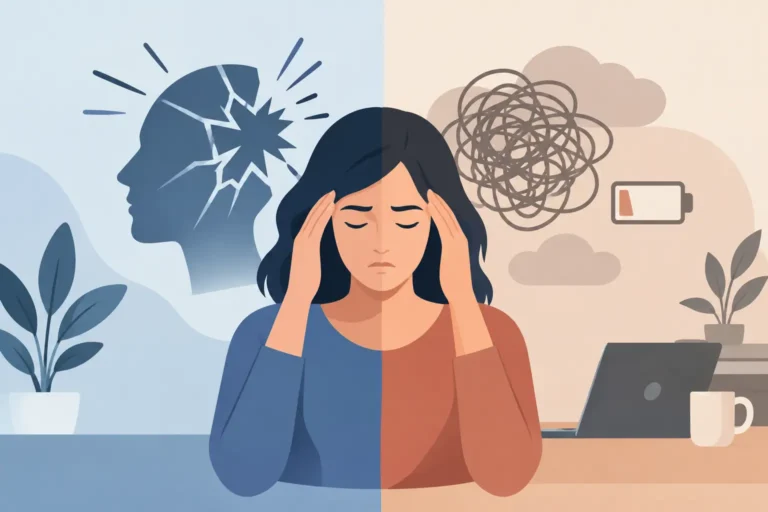
You might leave the session feeling unusually light, or confused in ways you can't explain, or even heavier than when you entered. This doesn't necessarily mean anything went wrong. Often, the real movement begins after the conversation ends. Guide to psychological integration after sessions It is not a to-do list to get better quickly, but a space to understand what has been revealed, and to give your body and mind enough time to absorb the new reality.
For someone who's used to appearing composed in public, a session might be the first place where that performance breaks down. You might touch on old sadness, anger you've called "work stress," or an inner part that has borne the burden alone for years. After that, that part doesn't just need further analysis; it needs safety, a slower pace, and a different response from you.
What is psychological integration after the session?
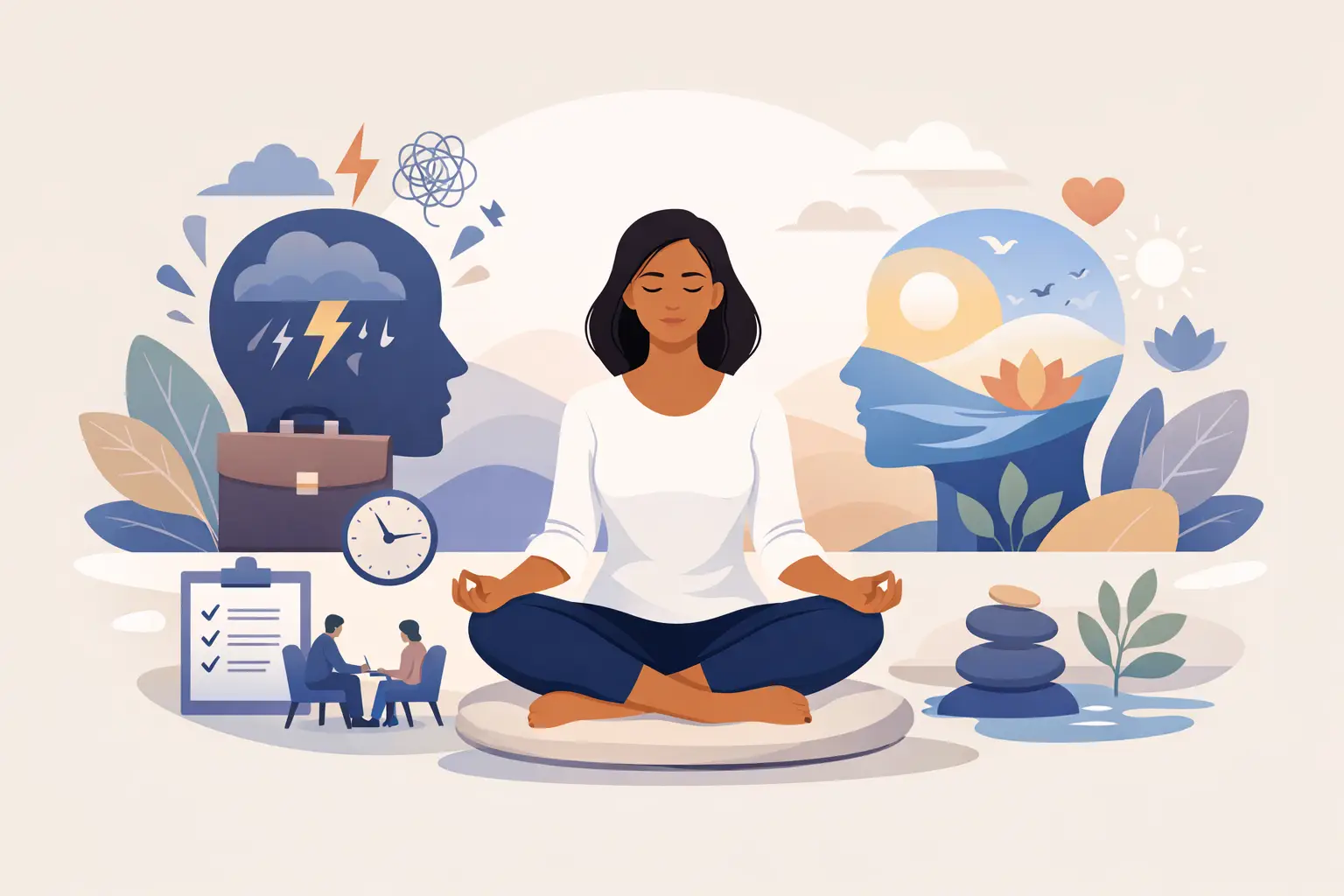
Psychological integration is the process of transferring what you understood or felt in the session into your daily life in a livable way. It's not about remembering every word that was said, nor is it about turning the session into a new self-improvement project. It's about noticing: What has changed within me? What does my body need now? And what small, genuine step reflects this awareness?
In consciously working through trauma, deep-seated patterns don't change simply by being recognized. You might know that your fear of rejection stems from past experiences, yet still panic when someone important takes a long time to respond. Knowledge opens the door, but your nervous system needs repeated experiences to reassure it that the present isn't the past, and that you're no longer alone in your pain.
Therefore, integration may manifest as calmness, lucid dreams, fatigue, emotional sensitivity, or a desire for temporary solitude. Sometimes you may feel as though you feel nothing at all. All these responses are possible. The important thing is not to force yourself to extract an immediate "result" from an internal experience that requires time.
Why might you feel heavy after a good session?
When you approach feelings you've long avoided, your mind may interpret it as a threat, even if you're in a safe place. This isn't because you're weak, but because that old protection was functioning properly at one time. Withdrawal, pleasing others, overthinking, constant busyness, or emotional numbness weren't character flaws. They were often clever survival strategies devised by your psyche.
In trauma-sensitive approaches such as compassionate inquiry andIFS and NARMWe don't try to fight these defenses or forcibly remove them. We listen to their purpose and ask what you fear will happen if they are discontinued. This understanding reduces internal conflict and gives you the opportunity to build a less harsh relationship with yourself.
But there's a difference between being open to your emotions and being overwhelmed by them. If you experience a sudden surge of panic, a disconnect from reality, or impulses that harm you or others, the priority isn't to continue exploring alone. Contact a qualified professional or your local emergency services as needed. Deep work requires a sufficient degree of stability, not silent heroism.
A guide to psychological integration after sessions: the first 24 hours
After the session, resist the urge to make big decisions immediately. You might feel a sudden clarity about a relationship, a job, or a long-postponed boundary, but sometimes that clarity needs to settle in the body before it can be translated into a decision. Write down the idea, then give it a day or two if you can.
Choose a simple activity that brings you back to the present: a nourishing meal, a warm shower, a quiet walk, a prayer with presence of mind, or a short time sitting by a window without your phone. These are not minor details. The body is where new awareness tries to find its roots.
It's helpful to write just a few sentences, not long pages. Ask yourself: "What touched me?", "What did my aching part need?", and "What's something nice I can do today?". If writing feels like a tiring rumination, stop. Integration isn't about going around in circles; it's about staying connected to what's happening now.
Beware of over-explaining
Some people leave the session and then explain everything to a friend, or spend hours searching for a diagnosis, or watching endless psychological content. Sometimes this is supportive, and sometimes it's a way to escape the immediate feeling. Gently ask yourself: Is this helping me get closer to myself, or pushing me away from myself?
You don't need to share everything. Privacy can be a form of security, especially if you still understand what was revealed. Choose a mature person who knows how to listen without correcting, rushing, or turning the experience into advice.
How can insight be transformed into small change?
The most genuine change rarely begins with a dramatic move. If you realize you're saying "yes" out of fear of losing others, the best course of action at this stage might be to delay your response for an hour before agreeing. If you discover your body is in a state of heightened alertness, it might be breathing more slowly before an important meeting, or keeping your feet on the ground when your mind starts anticipating the worst.
The idea isn't to perfect yourself, but to give yourself a new choice. Every time you pause for a moment before your usual pattern, you're building internal evidence that the response isn't predetermined.
It may also be helpful to notice the body language cues that precede the pattern. Does your chest tighten before you apologize for no reason? Does your stomach tense before you open the messaging app? Does your jaw clench when you feel unappreciated? These details are not trivial. They are the language of your nervous system, and understanding them allows you to intervene gently before the old response takes over completely.
Don't make integration a performance test.
It's easy for healing to turn into new stress: I have to write every day, meditate, set limits, and not revert to any old patterns. But a temporary return to old habits doesn't mean you've failed. Under stress, the nervous system tends to stick to what it knows best. The difference now is that you might notice this more quickly and return to your old self more gently.
Instead of asking, "Why did you return to the same circle?", ask, "What made this circle seem necessary today?" This question replaces blame with curiosity. And curiosity is more effective than harshness when you want to understand deeply.
Integration varies depending on the individual and their stage of life. Someone experiencing extreme fatigue might need to reduce their commitments and get more sleep. Someone feeling numb might benefit from light exercise, secure communication, or an activity that revitalizes them. There is no single formula, because what regulates one nervous system may overburden another.
When will you return to the session with what happened between sessions?
Take note of what you observe, even if it seems small or embarrassing. Tell your practitioner if you feel shut down, angry, overly attached, doubtful about the process, or want to withdraw. These aren't obstacles outside of work; they're often an important part of it. A safe professional relationship allows you to view these responses without judgment and understand what they represent in terms of past relationships and experiences.
You can simply say, «After the session, I felt tired and wanted to withdraw from people,» or «I understood something, but I couldn’t apply it,» or «I felt too exposed.» Simple language is enough. You don’t need a full explanation before asking for support.
In Montaser Moussa's platform, the session and integration are viewed as a single path: awareness of your roots, then organization and security, then gradual practice that restores your inner leadership. The goal is not to become a more productive version of a weary person, but to stop letting your old pain decide for you in every new situation.
When the session ends, don't just ask yourself, "What did I learn?" Ask yourself, "How can I stay with you today?" The answer might be a glass of water, a small limit, a tear you allow to fall, or asking for help. These quiet acts are no less healing. They are often where it truly begins.